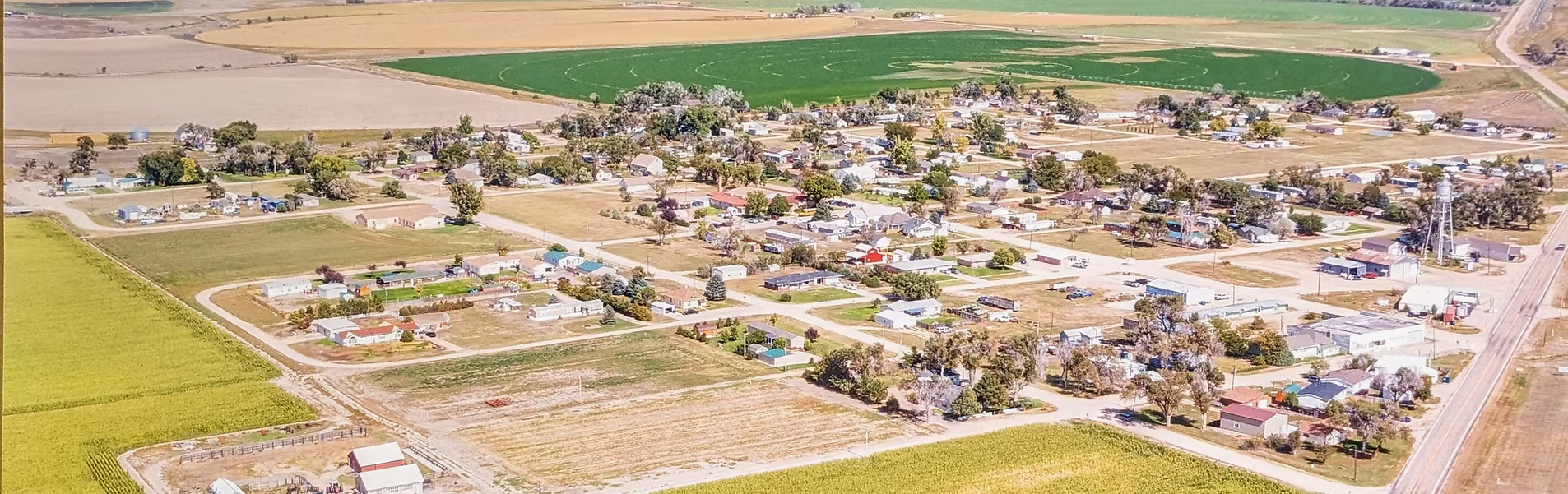
Historical Images
A visual journey through the history of Iliff, Colorado and the people who shaped it.
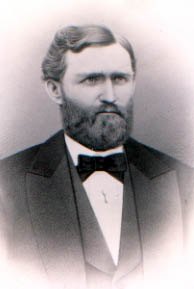
John Wesley Iliff (1831-1878)
Known as the "Cattle King of Colorado," John Wesley Iliff owned approximately 35,000 head of cattle and 15,558 acres. The town of Iliff was named in his honor, reflecting his significant impact on the region's early cattle industry.
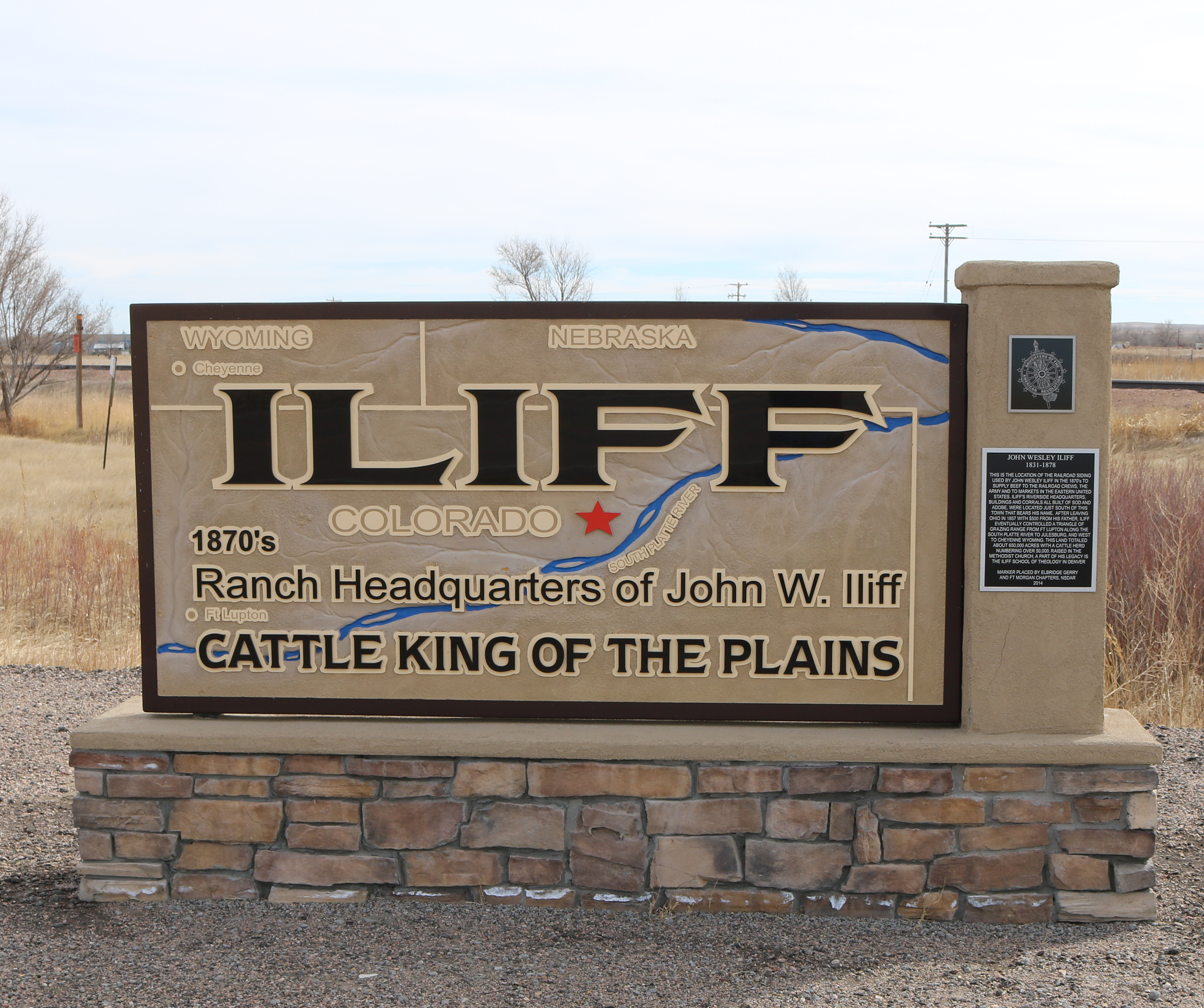
Welcome to Iliff
The modern town sign welcoming visitors to Iliff, Colorado. Despite significant population decline since its peak in the early 1900s, the town remains a testament to the agricultural history of northeastern Colorado.
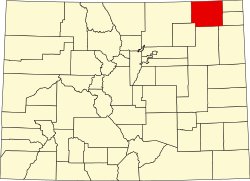
Logan County, Colorado
Map showing Logan County's location in northeastern Colorado. Carved from Weld County in 1887, the same year Iliff was platted, Logan County became home to thriving agricultural communities supported by the Union Pacific Railroad and the sugar beet industry.
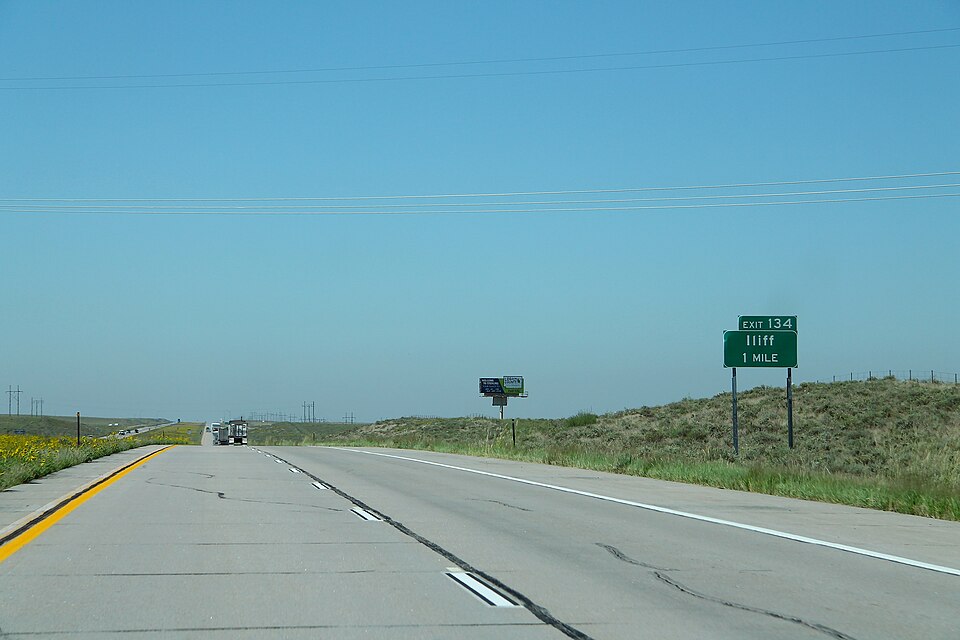
Interstate 76 Exit 134
Interstate 76 exit sign for Iliff. Originally designated Interstate 80S when construction began in August 1958, the highway bypassed Iliff and drew traffic away from State Highway 138, accelerating the town's economic decline as residents increasingly drove the 12 miles to Sterling for services.
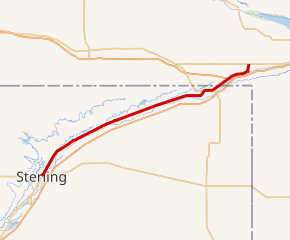
State Highway 138
State Highway 138, which runs through Iliff, served as the main transportation corridor before Interstate 76 was constructed in 1958. The interstate bypass diverted through-traffic away from the highway, reducing commercial activity and contributing to the gradual decline of businesses along this historic route.
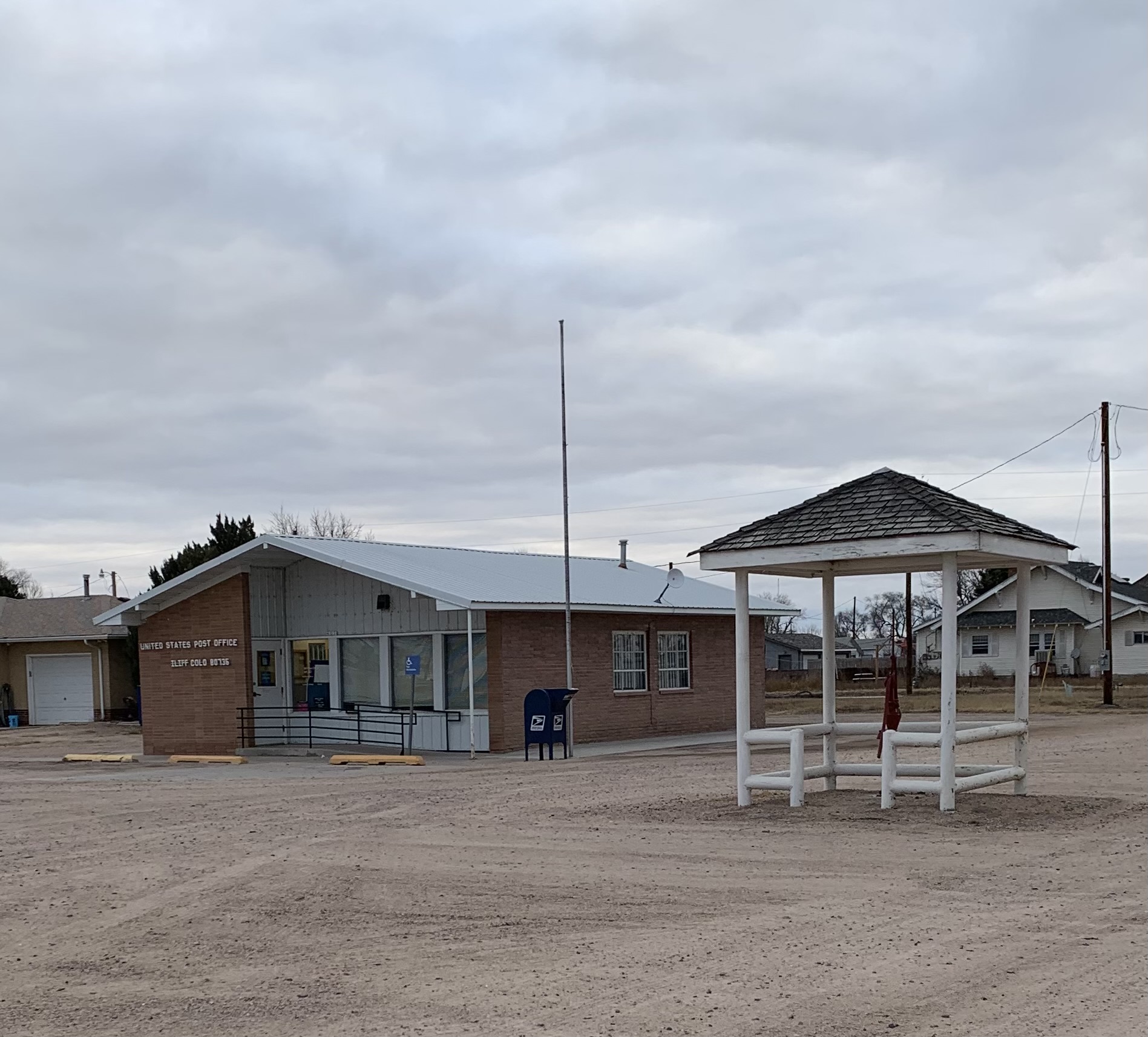
Historic Town Well and Post Office
The town pump, installed in 1890, remains in the center of Iliff as a testament to the community's early infrastructure. During the town's growth period in the early 1900s, local institutions like the post office served a thriving community supported by the sugar beet industry and railroad commerce.
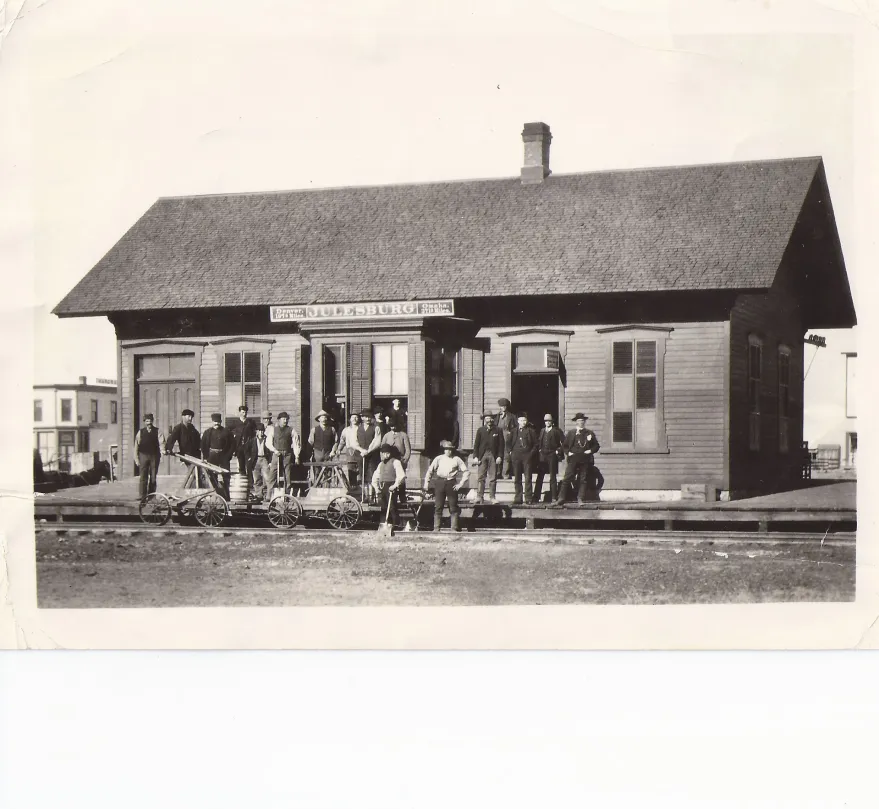
Julesburg Railroad Depot (1929)
The brick depot was constructed in 1929 when Julesburg served as a major Union Pacific Railroad hub. The UPRR branched south from the Transcontinental Line in 1881, establishing the town as a regional transportation center with a roundhouse, coal chute, beet dump, and cattle yard. Passenger service ended in 1971, and the depot now operates as a museum.
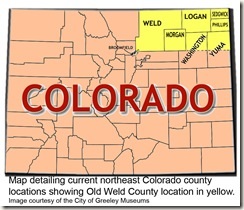
Old Weld County Territory
Established November 1, 1861, Old Weld County originally encompassed all of northeast Colorado. The vast territory was progressively divided: Washington, Morgan, and Logan counties separated in 1887 (the same year Iliff was platted), followed by Yuma, Phillips, and Sedgwick counties in 1889. This division reflected the growing settlement and need for local governance across the region.
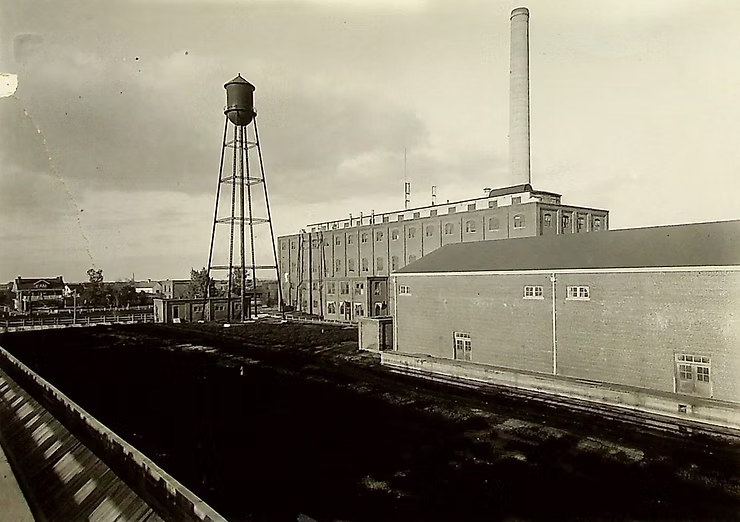
Sterling Sugar Company (1905)
Construction began April 5, 1905, requiring 50-70 horses to break ground near the South Platte River. The factory opened for its first campaign on November 7, 1905, processing an average of 534 tons of sugar beets daily. Acquired by Great Western Sugar Company in 1906, it became the seventh factory in their corporation and operated for 80 years before closing in 1985.
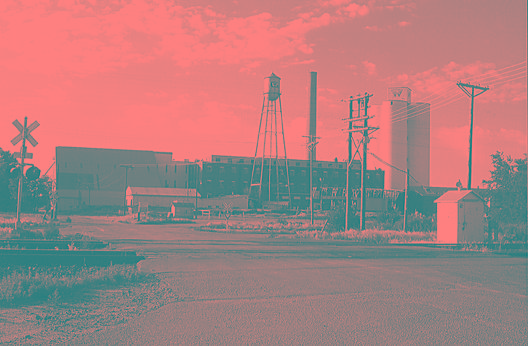
Sterling Sugar Factory
The Sterling Sugar Factory became a major economic driver for the region, supporting the sugar beet industry across northern Colorado. Farmers received approximately four payments annually for their crops during the factory's seasonal campaigns, which ran from fall through mid-winter. The facility's closure in 1985 marked the end of an era for Sterling's agricultural economy.
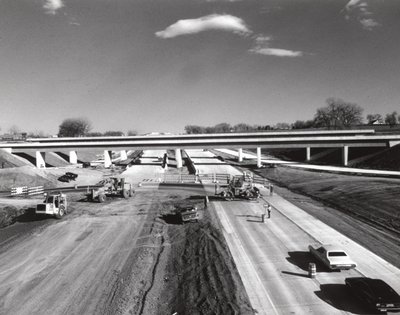
Interstate 76 Construction Begins
Originally designated Interstate 80S, construction of Interstate 76 began in August 1958. The new highway bypassed towns like Iliff, drawing traffic away from State Highway 138 and contributing to the economic decline of rural communities that had depended on through-traffic for commercial activity.
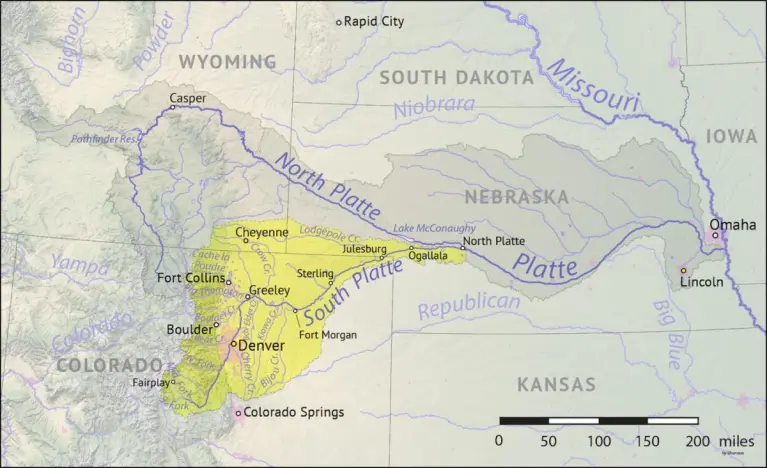
South Platte River Basin
The South Platte River was crucial to the development and survival of communities like Iliff, providing water for agriculture and livestock. The river basin experienced significant flooding in June 1965, which impacted communities throughout northeastern Colorado. The river's proximity also influenced industrial development, such as the Sterling Sugar Factory built along its banks in 1905.
St. Catherine's Catholic Church
St. Catherine's Catholic Church represents the religious and community institutions that served Iliff's residents. This remodeled structure stands in the same location as the original church, reflecting the continuity of faith and community in the town despite population decline.